
 Book Now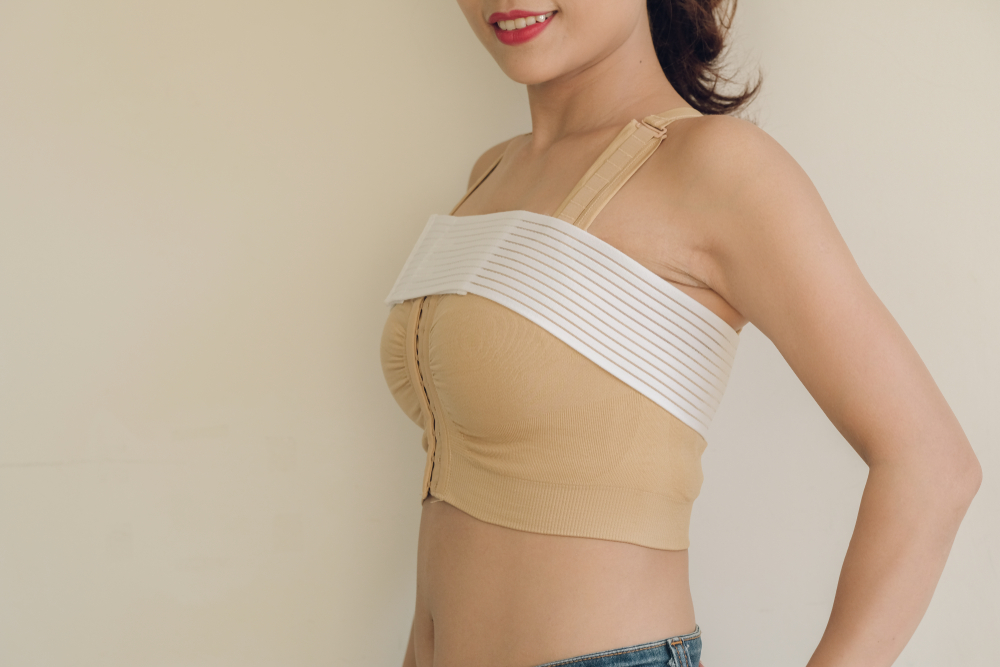

Preparing for Surgery
Before surgery, prepare your home and your mindset for the days to follow. Arrange a recovery area in your living space for a quiet restful place to heal. Soft pillows and a favorite blanket provide comfort. Place your most commonly used items, such as your phone, water bottle, snacks, reading materials, and perhaps your laptop within easy reach to avoid unnecessary stretching or moving during early post-surgical period. Recruit (a) close friend(s) or family member(s) to assist, especially during the first day or two after your operation. This support allows you to rest and relax, and to get help with daily chores. Let your helper know if you need meals prepared, pets cared for, or mail brought inside. The goal is to minimize your physical, mental, and emotional demands. Caring for your body before surgery leads to a smoother, easier recovery. The best preparation is a healthy lifestyle. Adequate sleep at night rests and regenerates your body. Healthy diet provides nutrients for healing. Protein, fruits and vegetables, dairy, and avoiding excessive concentrated sweets provides macronutrients, vitamins, and minerals to support healing. Half or more of your body is water. Hydration is a healthy habit. Water is the most natural and healthy, perhaps by sipping from a water bottle throughout the day. At Feel Beautiful plastic surgery, breast augmentation and breast lift procedures are performed at a private fully accredited surgery center with an unsurpassed safety record.Managing Discomfort and Pain
After breast enhancement surgery, tightness, discomfort, swelling, skin discoloration, and soreness of the treated area for several days is normal. Instructions for your care are provided, and if questions or unexpected findings are observed, call Dr. Laverson at 858-295-4001. Surgical sites should generally be left as they are until your first office visit after your procedure. Although pain should be mild to moderate, every individual responds to pain uniquely. Larger implants beneath a well developed muscle and/or behind a tight skin envelope may cause several days of excruciating pain. This will be controlled with prescription analgesics. Always check with your doctor before taking any medications, including over-the-counter pain relievers.
Choose clothes that are easy on and off to minimize unnecessary reaching, stretching, and pulling. Soft, non-reactive fabrics may help, especially if antibiotics and/or antiseptic have irritated your skin. Loose-fitting shirts, especially those with buttons or snaps, are often easy to put on and remove and won’t rub against healing areas. San Diego’s mild winter weather means you can stay comfortable in soft, breathable fabrics, layering with a lightweight sweater if needed. Your doctor may advise a supportive surgical bra designed for post-surgery comfort. These bras help stabilize implants and rearranged tissue. The bra offers support and may reduce swelling or movement-related discomfort. Keep a notepad or an electronic reminder to help you remember when to take medication or attend follow-up appointments. If you have concerns about your pain or recovery timeline, don’t hesitate to contact your surgeon for clear and reliable advice.Essential Rest and Activity Guidelines
The first days after surgery are all about rest. It’s common to feel tired, and your body needs time to repair. This means clearing your schedule as much as possible and taking rests when needed. Let yourself nap when you feel sleepy and say no to extra commitments during this time. It’s okay and encouraged to stand up and walk short distances in your home to promote circulation, as long as you avoid carrying anything heavy. Once you feel comfortable and your doctor approves, take gentle walks in your yard or along a shaded neighborhood path, especially since San Diego’s winter months are usually mild. These walks lift your mood and help your body recover naturally.-
- Wait for your doctor’s guidance before resuming strenuous activities like lifting heavy objects.
-
- Avoid bending or reaching, as these actions can jeopardize your results.
-
- As you feel better, incorporate light exercises such as walking. Avoid stretching upper body skin until your surgeon believes healed breast skin is sufficiently strong to resist tension.
-
- San Diego’s mild winter can make short walks pleasant, which can lift your spirits and support physical recovery.
Nutritional Support for Healing
Nutrition is one of the easiest and most effective ways to give your body what it needs to repair itself. Eating a variety of foods from all the food groups ensures you are getting the right balance of protein, carbohydrates, and healthy fats.-
- Incorporate a variety of fruits, vegetables, lean proteins, and whole grains into your diet.
-
- These foods provide the necessary nutrients and energy for recovery.
-
- Stay hydrated by drinking plenty of fluids each day.
-
- Keeping a water bottle nearby can help remind you to drink regularly.
- Consider adding peptides such as BPC-157, GHK, TB-500, and MGF to promote and possibly accelerate your recovery.