
 Book Now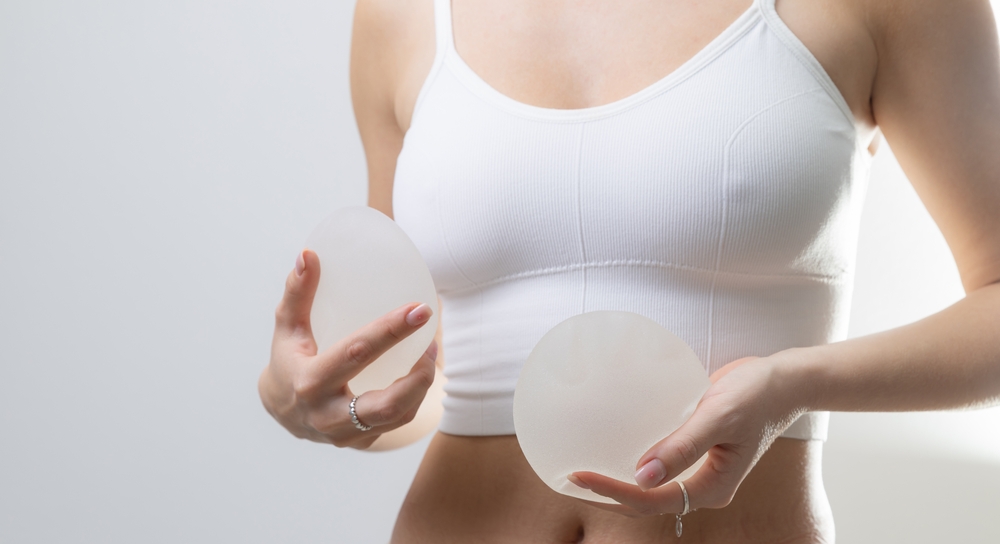

After breast augmentation, a common question women ask is, “Do I need to replace my implants every 10 years?”
Breast implants are not intended to be lifetime devices, but they also don’t “expire” on a set schedule. Many women enjoy stable implants and beautiful breasts for 15 to 20 years and longer without needing replacement. Others may need revision sooner due to body changes, lifestyle changes, personal preferences, or implant issues.
At Feel Beautiful Plastic Surgery, Dr. Steve Laverson tries for longevity with thorough planning and technical excellence. Every operation is carefully designed to fit your unique situation and goals. From detailed pocket creation to layered suturing and anatomical understanding, Dr. Laverson’s goal is always the same — to deliver results that are beautiful, stable, and built to last.
Do You Really Have to Replace Breast Implants Every 10 Years?
The so-called “10-year rule” is one of the biggest myths in cosmetic surgery. It originated from older studies and early implant warranties that estimated a 10-year average lifespan. However, advances in implant technology, materials, and surgical technique have significantly extended that timeline.
Contemporary breast implants usually last well beyond a decade, provided there are no complications such as rupture, capsular contracture, or aesthetic issues. Many women still have their original implants 15, 20, 25, or 30 years after surgery.
Your implant lifespan depends largely on four factors:
- The quality of the breast implant
- The quality of the original breast augmentation procedure
- Recurrent trauma to the implant, either external or internal
- Unknown factors that contribute to capsular contracture
- Body and breast differences over time (such as pregnancy and weight changes) and shifting aesthetic preferences
Dr. Laverson’s surgical approach — characterized by delicate tissue handling, precise implant placement, and long-term planning — helps preserve both the structural integrity of the implant and the beauty of the breast over time.
Rather than focusing on an expected implant life span, schedule regular annual exams to monitor implants. These visits allow for early detection of any changes while providing peace of mind that everything still looks and feels the way it should.
Why Breast Implants May Need to Be Replaced
Not all implants require replacement. Newer implants may last a lifetime. Many remain intact and aesthetically pleasing for decades. Indications for breast implant replacement may be a mechanical issue (such as a rupture) or a biological reaction (such as capsular contracture).

Breast Implant Rupture
Implants are designed to withstand considerable pressure, tension, shearing, and deformation. Although strong and durable, like any medical device, they deteriorate and weaken over time. Common causes of rupture include natural wear and tear, pressure, trauma, implant shell weakening at the site of a fold, or compression during mammograms.
A ruptured breast implant is not a medical emergency, but it should be evaluated professionally. Treatment alternatives should be presented. Implant manufacturers and the United States Food and Drug Administration advise that loss of breast implant shell integrity (rupture) is an indication for implant removal and/or replacement.
- Saline implants contain sterile saltwater. If the shell ruptures, the saline is safely absorbed by the body, causing the breast implant to gradually deflate. The affected breast becomes smaller.
- Silicone implants are filled with cohesive gel, which is thicker and holds its shape. A rupture may not cause change that is seen or felt because silicone gel usually remains within the capsule surrounding the implant. This is why silicone implant rupture is often unannounced, or “silent.” Women with ruptured gel implants may not know their implant(s) has(have) ruptured for months or years.
Dr. Laverson selects only high-quality, FDA-approved implants and places them with exceptional care to minimize pressure points and wear. Sharp projections of the costochondral junction which may degrade the breast implant shell and cause rupture years later are shaved and smoothed to protect the implant. The implant pocket is measured and confirmed to be of sufficient size that the device is not compressed or folded anywhere. Edges are visualized and palpated to assure the implant is free of ripples when placed. Deliberate technique by an experienced surgeon generally helps extend the breast implant lifespan.
What Percentage of Implants Rupture Over Time?
Statistically, breast implants rupture at an average rate of about 1% per year after placement. That means after 10 years, approximately 10% of women may experience a rupture. However, the rate varies based on implant type, placement (above or below the muscle), and the surgeon’s technique.
By optimizing implant position, minimizing tissue trauma, and checking to be sure there are no fixed ripples or wrinkles of the implant, Dr. Laverson maintains as low a risk for rupture (implant failure) as possible.
Signs and Symptoms of a Ruptured Implant
If your implants are saline, rupture presents as a gradually deflating breast. The affected breast becomes smaller over the course of days. Rupture may follow a known or remembered impact or event or may develop spontaneously. If your implants are silicone gel, you will not likely realize one or both of your implants have failed. There is no deflation and usually no signs or symptoms. Silicone ruptures are most often “silent,” showing no visible change.
Signs of a possible rupture may develop over time:
- A gradual change in breast size or shape
- Firmness or unevenness
- Localized pain or tenderness
- Nodularity or irregularity of the breast
If you suspect a rupture, don’t panic — but do schedule professional evaluation by a plastic surgeon. The FDA recommends an MRI 5 years after silicone gel implant breast augmentation and every 2–3 years after that to monitor silicone implants, though high definition ultrasound is another imaging test that may diagnose a ruptured breast implant.
At Feel Beautiful Plastic Surgery, Dr. Laverson learns your implant history, conducts a physical examination, and will order appropriate imaging studies to define the status of your implants. Depending on the results, treatment alternatives are considered.
Capsular Contracture – When Scar Tissue Becomes a Problem
Every breast implant is surrounded by a thin layer of scar tissue, a capsule. This capsule is a natural response by the body and usually remains soft and flexible. However, in some cases, the capsule thickens, tightens, and squeezes the implant — a condition known as capsular contracture.
Early symptoms include firmness, mild discomfort, or a slightly distorted breast shape. In advanced cases, the breast can feel firm or hard, appear distorted, and become painful.
Capsular contracture can develop anytime after surgery — months or even years later — and the cause isn’t always clear. It may relate to low-grade inflammation, bacterial contamination, or trauma.
Dr. Laverson treats capsular contracture with a personalized, layered approach:
- Medical treatment with leukotriene inhibitors such as zafirlukast or montelukast
- Surgical removal of the capsule and new implant placement in an alternative position
- Use of advanced implant materials and textures to reduce recurrence
- Prescribed medications (such as anti-inflammatory agents) to prevent re-hardening
- Acellular dermal matrix around the implant
- Fat transfer at implant edges to camouflage the device and soften the breast
- Multiple steps to avoid biofilm development around the implant (use of antiseptics, antibiotics, nipple shields, and more).
Quorum sensing technology successfully prevents biofilm development. Although this has not been specifically applied to prevent breast implant related capsular contracture, Dr. Laverson believes that quorum sensing technology should be available from breast implant manufacturers to avoid contracture, a physically, psychologically, and financially demanding complication of these prosthetic devices.
What Happens If You Don’t Replace or Remove a Damaged Implant?

If an implant ruptures or hardens and is left untreated, several complications may arise. Silicone gel from a ruptured implant can trigger local inflammation with or without capsular contracture. Contracture results in distortion, discomfort, and firmness of the breast with more visible implant edges and a narrower and more projecting breast.
Over time, untreated ruptures may lead to:
- Inflammation and pain
- Breast asymmetry
- Thickened scar tissue and stiffness
- Changes in shape or firmness
While not typically dangerous, a ruptured implant may become uncomfortable and the breast may appear less natural. Prompt evaluation of changes is recommended.
For most women, replacing a damaged implant restores both confidence and comfort — and allows Dr. Laverson to improve results achieved years earlier, updated to your current body, your lifestyle, and your proportions.
How Breast Implants Change Over Time
Even the most beautiful, long-lasting implants can’t stop the natural effects of aging. Skin elasticity, gravity, hormones, and weight fluctuations all influence breast appearance over time.
Larger implants tend to stretch breast skin. This increases breast mobility. Breasts may drop to a lower position on the chest and skin may ripple or wrinkle. Pregnancy, nursing, and weight changes also affect breast tissue volume and character.
These changes are normal — and often unrelated to implant integrity. Many women choose revision surgery or a breast lift after 10–20 years not because of a rupture, but to refresh their silhouette or rebalance proportions.
For those who prefer a subtle rejuvenation, Dr. Laverson may recommend a combined procedure such as a breast lift with implant replacement to restore youthful contours and natural positioning.
How to Know When It’s Time for a Breast Implant Check-Up
While implants don’t need automatic replacement, they do require periodic check-ups to ensure everything remains in top condition. Schedule an appointment if you notice:
- A change in breast size, shape, or position
- Firmness, lumpiness, or tightness
- Pain, swelling, or asymmetry
- Rippling or visible edge lines
For silicone implants, the FDA recommends MRI or ultrasound screening every few years. Even if you feel perfectly fine, an annual in-office exam provides reassurance that your implants and breast tissue are healthy.
Dr. Laverson encourages his patients to make these check-ups part of their long-term beauty maintenance routine — just like routine skincare or dental visits.
Dr. Laverson’s Approach to Best Breast Results
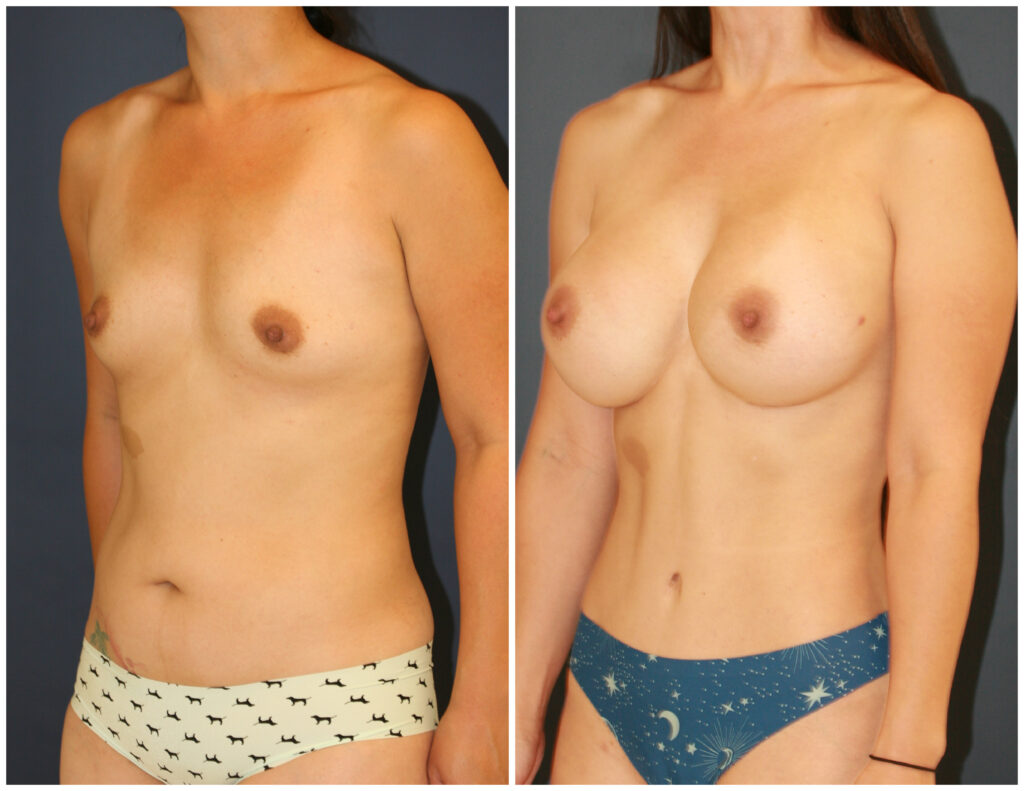
At Feel Beautiful Plastic Surgery, longevity isn’t luck — it’s designed.
Dr. Laverson’s surgical philosophy blends art, science, and meticulous attention to every detail:
- Custom implant selection: tailored to your anatomy and lifestyle.
- Precise placement: pockets designed for balance, symmetry, and long-term stability.
- Layered closure technique: protects the implant and ensures delicate, virtually invisible scars.
As Dr. Laverson often says, “We don’t just place implants — we design a result that lasts beautifully for years.”
With more than 30 years of experience and over 50,000 successful procedures, Dr. Laverson has earned a reputation for excellence, artistry, and lasting outcomes that look as natural as they feel.
In Summary – Longevity Through Precision and Care
To sum it up — breast implants don’t need to be replaced every 10 years. They should, however, be monitored regularly and replaced only if an issue arises.
With careful surgical technique, high-quality implants, and attentive follow-up care, many women enjoy their results for decades.
At Feel Beautiful Plastic Surgery, your comfort, safety, and confidence are the top priorities. Every procedure is a partnership designed for longevity, harmony, and individualized beauty that endures.
Considering an Implant Evaluation or Replacement in San Diego?
If you’ve had breast augmentation in the past and are wondering about your next steps, we’re here to help.
Schedule a personalized consultation with Dr. Steve Laverson at Feel Beautiful Plastic Surgery in San Diego to evaluate your breast implants, discuss your goals, and design a plan that ensures you continue to look — and feel — your absolute best.